Next day morning, our train was scheduled for a departure at 5.30 am. So in that bone-chilling cold, we had to get up early and get ready – no wonder I was cursing myself for coming up with this plan.
Handing over the room keys to the reception and clearing the bill, when we placed ourselves on the narrow gauge platform, the coach was awaiting. The compartment was neat and clean and from the reservation chart we came to know that the coach was full! And we thought Jan-Feb used to be the ‘Off Season’!
The Shivalik Deluxe actually waits for the Howrah – Kalka Mail to arrive at Kalka. On that day it was delayed till 6.30 and so we had more than enough time to make ourselves comfortable. I infact dozed off a little if I go by with my wife’s version of the story, which I certainly can not remember doing.
Once the Kalka Mail arrived, within 15 mins the coach was full and we were all set to go. When we started around 6.55 am, the dawn was yet to break.
Immediately after leaving the small town, the train started ascending. The SunGod was still yawing on His bed. The hillocks started to turn into golden peaks under the tender sunlight. We were supplied with a copy of a newspaper but who cares about the damn world when you have such heavenly scenes dashing past you? We opened our windows and started clicking as many snaps as possible without caring for the cold a bit.
The train jogged along the mountains upward – through the thick woods, through the shadows and through the lights. Some cute little villages and stations were passed by. The Shivalik Deluxe only has one scheduled stop at Barog. Long before the station comes you have to place your order for the breakfast to the pantry, the cost of which is included in the ticket fare already.
The scenery and the experience both were out of this world. The tallest of the trees provided shadow for the villagers whereas the train ran along the circuitous tracks zigzagging its way through the hills whistling and cooing to make everyone aware of its existence.
The train came to a halt at Barog and we also descended. While the food crates were being boarded we enjoyed a heavenly beverage – a literally red hot tomato soup.
The Barog station in my opinion was the cutest of the series. Nestled in the lap of the mountains and far from the din and bustle of the urban civilization, the place offers tremendous views of the hills but still the place is much underrated.
After 15 mins or so the engine started to move so we entrained quickly. Bidding a sweet farewell to Barog, we headed towards its much bigger and more popular sibling, Shimla. We were served with the breakfast and tea/coffee to stuff ourselves which we devoured in no time.
While writing about the Kalka-Shimla, if I don’t mention the tunnels, it will be an injustice. As far as I can remember we counted around 130 tunnels of various lengths – from the smallest one to one really really large one. When the train passed through the tunnel, it seemed the time stood still and each second as an eternity.
We encountered our first snow when we were very close to Shimla. All the passengers were really excited, so were we.
We reached Shimla station around 11.30 am. It was shivering cold with a freezing wind blowing with its all its ferocity. We proceeded towards the Taxi Stand to head towards our destination - Narkanda - with a joyous heart as the narrow gauge train really lived upto its 'world heritage' status.
Handing over the room keys to the reception and clearing the bill, when we placed ourselves on the narrow gauge platform, the coach was awaiting. The compartment was neat and clean and from the reservation chart we came to know that the coach was full! And we thought Jan-Feb used to be the ‘Off Season’!
The Shivalik Deluxe actually waits for the Howrah – Kalka Mail to arrive at Kalka. On that day it was delayed till 6.30 and so we had more than enough time to make ourselves comfortable. I infact dozed off a little if I go by with my wife’s version of the story, which I certainly can not remember doing.
Once the Kalka Mail arrived, within 15 mins the coach was full and we were all set to go. When we started around 6.55 am, the dawn was yet to break.
Immediately after leaving the small town, the train started ascending. The SunGod was still yawing on His bed. The hillocks started to turn into golden peaks under the tender sunlight. We were supplied with a copy of a newspaper but who cares about the damn world when you have such heavenly scenes dashing past you? We opened our windows and started clicking as many snaps as possible without caring for the cold a bit.
The train jogged along the mountains upward – through the thick woods, through the shadows and through the lights. Some cute little villages and stations were passed by. The Shivalik Deluxe only has one scheduled stop at Barog. Long before the station comes you have to place your order for the breakfast to the pantry, the cost of which is included in the ticket fare already.
The scenery and the experience both were out of this world. The tallest of the trees provided shadow for the villagers whereas the train ran along the circuitous tracks zigzagging its way through the hills whistling and cooing to make everyone aware of its existence.
The train came to a halt at Barog and we also descended. While the food crates were being boarded we enjoyed a heavenly beverage – a literally red hot tomato soup.
The Barog station in my opinion was the cutest of the series. Nestled in the lap of the mountains and far from the din and bustle of the urban civilization, the place offers tremendous views of the hills but still the place is much underrated.
After 15 mins or so the engine started to move so we entrained quickly. Bidding a sweet farewell to Barog, we headed towards its much bigger and more popular sibling, Shimla. We were served with the breakfast and tea/coffee to stuff ourselves which we devoured in no time.
While writing about the Kalka-Shimla, if I don’t mention the tunnels, it will be an injustice. As far as I can remember we counted around 130 tunnels of various lengths – from the smallest one to one really really large one. When the train passed through the tunnel, it seemed the time stood still and each second as an eternity.
We encountered our first snow when we were very close to Shimla. All the passengers were really excited, so were we.
We reached Shimla station around 11.30 am. It was shivering cold with a freezing wind blowing with its all its ferocity. We proceeded towards the Taxi Stand to head towards our destination - Narkanda - with a joyous heart as the narrow gauge train really lived upto its 'world heritage' status.
Pictures -
 |
| A view from the toy train |
 |
| The Dawn - just breaking |
 |
| Entering a tunnel |
 |
| Another view from the train of the valley |
 |
| Kumarhatti - A cute little station on the way |
 |
| The train - at Barog Station |
 |
| Crossings - At Barog Station |
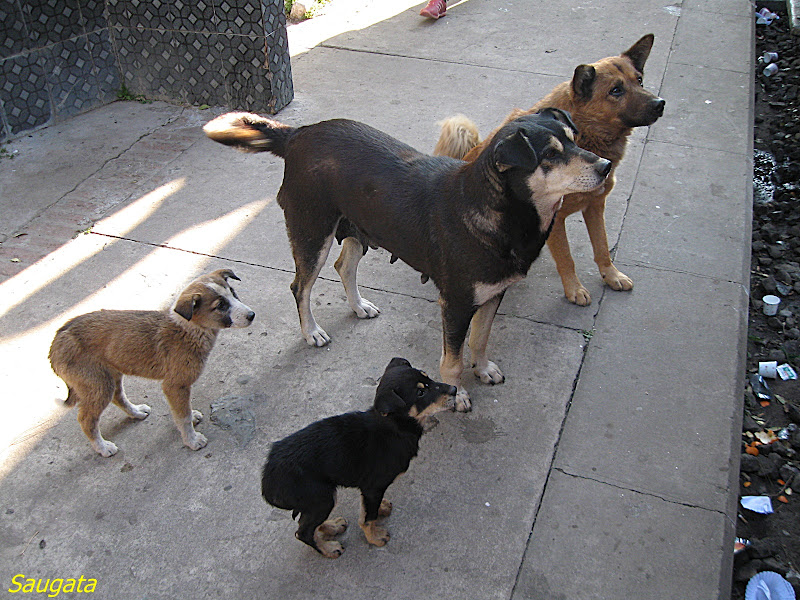 |
| The Roadesians |
 |
| Another quick snap |
 |
| Salogra - Another cutie on the way |
 |
| First snow on the way |
 |
| Approaching the Shimla Station - the rail Motor Car is resting |
 |
| Shimla Railway Station |


